Sign up to our newsletter!
The Testosterone Reset Book
Understanding the Hormone That Shapes Energy, Muscle, Desire, Performance, and Aging
By: Dr. Omatseye Edema
Family Physician | Men’s Health & Performance Medicine
Coming August 31, 2026. Join The Waiting List!
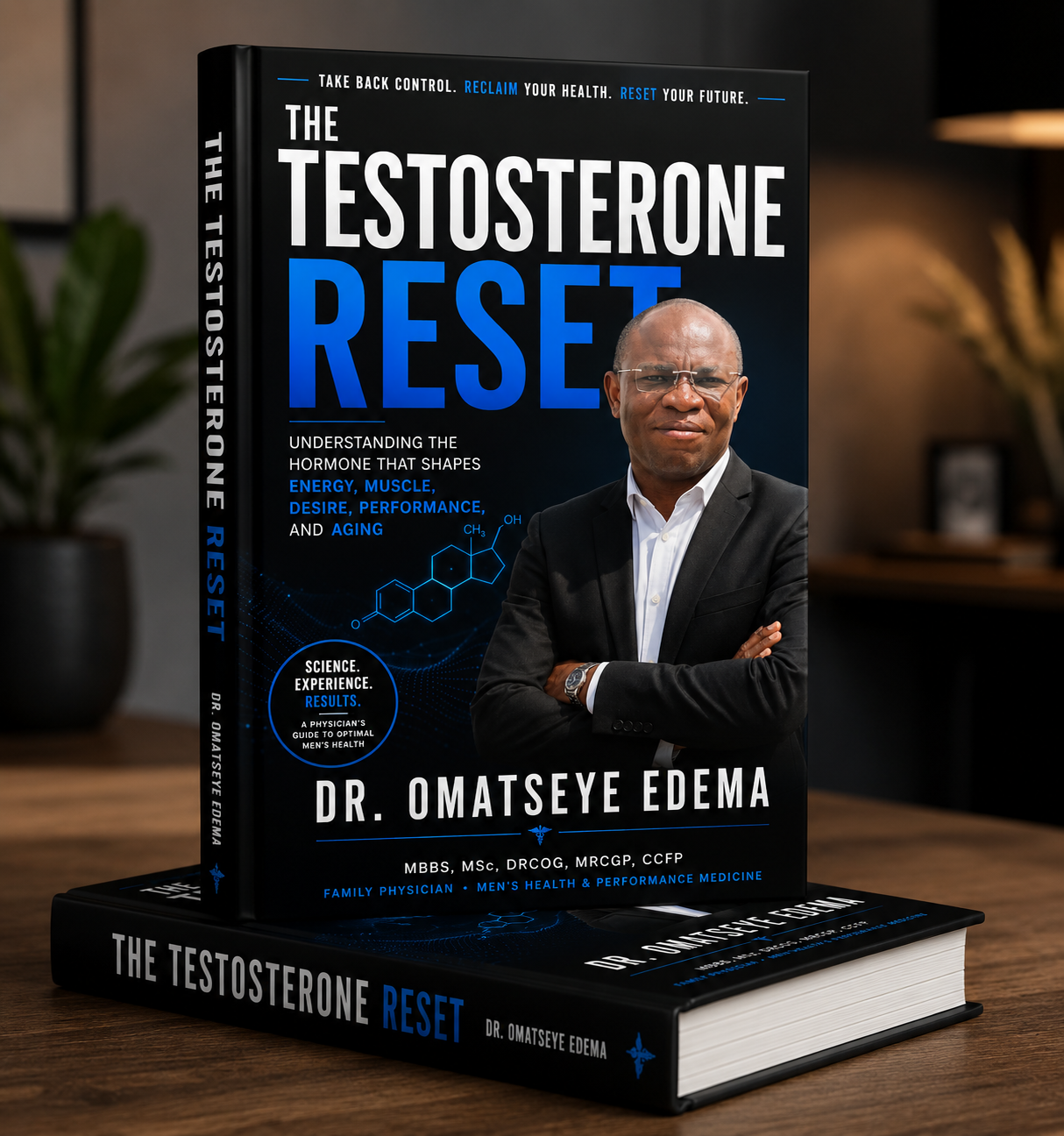
Join our VIP list for the Testosterone Reset book.
Testosterone is one of the most discussed, misunderstood, marketed, feared, and oversimplified hormones in modern health.
Some people think testosterone is only about sex drive.
Others think testosterone therapy is a shortcut to muscle, confidence, and vitality.
Some are afraid of it.
Some are chasing it.
Many are confused.
The Testosterone Reset was written to bring clarity.
This upcoming book by Dr. Omatseye Edema is a practical, evidence-informed guide to help men and health-conscious readers understand what testosterone really does, when low testosterone may matter, when testosterone therapy may be appropriate, and why hormones should never be separated from sleep, muscle, metabolism, stress, nutrition, recovery, cardiovascular health, and aging.
This is not a hype-driven “boost your testosterone overnight” book.
It is a physician-authored guide to understanding testosterone as part of the larger human operating system.
Join the Book Launch List
What Is The Testosterone Reset?
The Testosterone Reset is a clear, practical, physician-developed guide to testosterone, low testosterone, testosterone replacement therapy, hormone optimization, and men’s health.
The book explains how testosterone influences:
- Energy
- Muscle
- Libido
- Erectile function
- Motivation
- Mood
- Body composition
- Metabolism
- Recovery
- Sleep quality
- Cognitive performance
- Fertility
- Cardiovascular risk
- Healthy aging
But the central message is deeper:
Testosterone is not an isolated number. It is one signal inside a larger biological system.
Many people ask:
- Do I have low testosterone?
- What are the symptoms of low testosterone?
- Should I get testosterone therapy?
- Is TRT safe?
- Can testosterone improve energy?
- Can testosterone help with erectile dysfunction?
- Can testosterone help with weight loss?
- What blood tests should I get before TRT?
- What is the best testosterone level for men?
- Can I naturally increase testosterone?
- What happens if I stop testosterone therapy?
- Can TRT affect fertility?
- Is testosterone therapy for life?
This book is designed to answer those questions with clinical honesty, practical clarity, and a systems-health approach.
Why This Book Matters Now
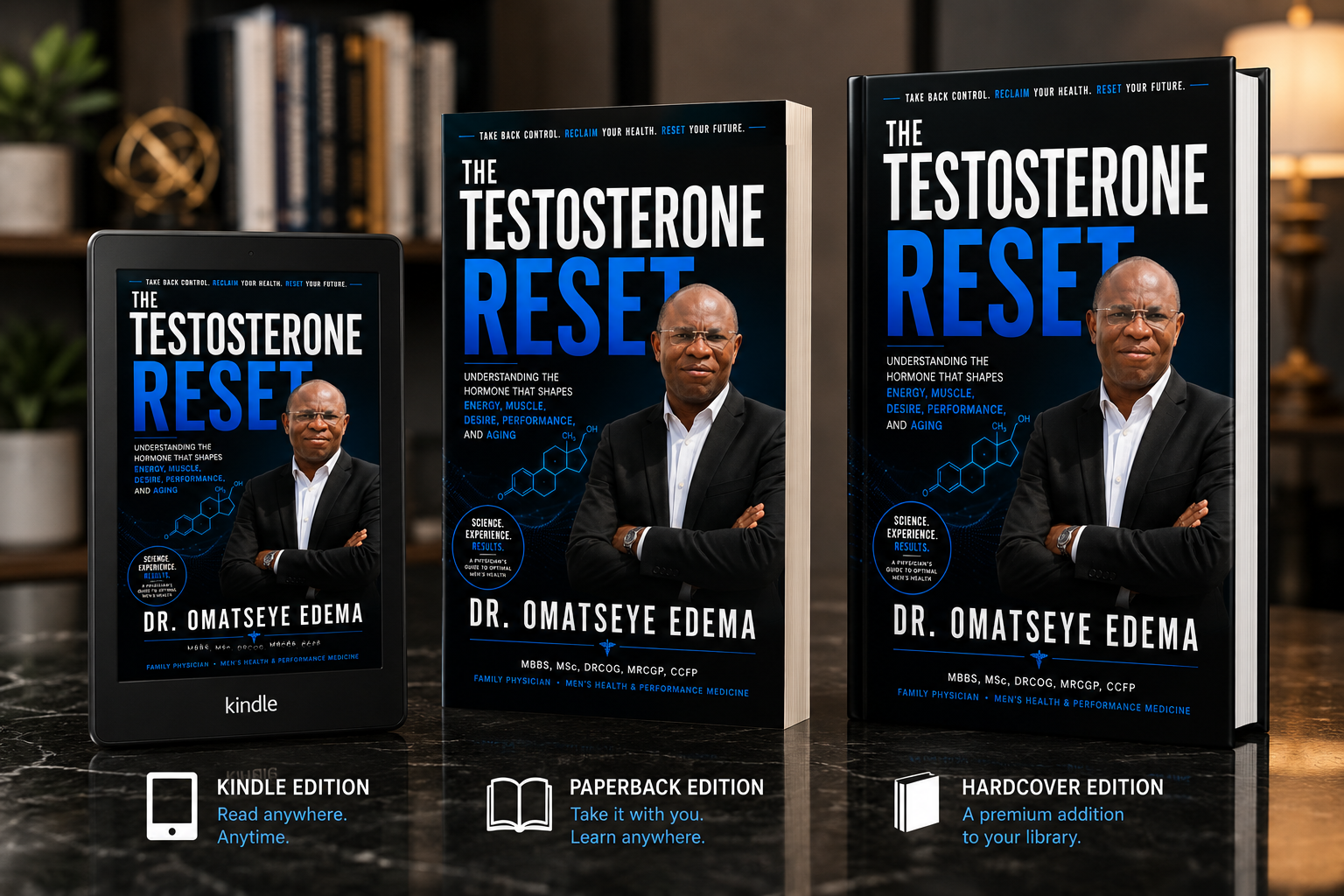
Testosterone has become one of the most confusing areas in modern health.
Online, the conversation is dominated by extremes.
One side presents testosterone as dangerous and unnecessary.
Another side promotes testosterone as the solution to almost every male problem.
The truth is more nuanced.
Testosterone can be life-changing for the right person, with the right diagnosis, the right monitoring, and the right clinical context.
But testosterone therapy can also be inappropriate, poorly monitored, overprescribed, or used as a shortcut when the real problem is sleep deprivation, obesity, insulin resistance, excessive stress, alcohol, poor nutrition, lack of resistance training, medication effects, untreated sleep apnea, depression, or another medical issue.
The Testosterone Reset helps readers understand the difference.
Who This Book Is For
This book is for men who feel that something has changed and want to understand what is happening before jumping to conclusions.
It is for men who are experiencing:
- Low energy
- Reduced sex drive
- Erectile difficulties
- Loss of morning erections
- Increased belly fat
- Reduced muscle strength
- Poor recovery after exercise
- Low motivation
- Brain fog
- Irritability
- Low mood
- Reduced confidence
- Poor sleep
- Reduced exercise performance
- Concerns about aging
It is also for:
- Men considering testosterone therapy
- Men already on TRT who want to understand it better
- Men who want to come off testosterone safely under medical supervision
- Women trying to understand their partner’s symptoms
- Clinicians who want a patient-friendly framework
- Health-conscious readers interested in hormones, longevity, performance, and metabolic health
What You Will Learn
1. What Testosterone Really Does
Testosterone is not just a “sex hormone.”
It influences multiple systems, including:
- Reproductive function
- Muscle protein synthesis
- Bone density
- Red blood cell production
- Fat distribution
- Mood regulation
- Motivation
- Sexual desire
- Recovery
- Metabolic function
The book explains these effects in plain language without reducing testosterone to gym culture or sexual performance.
2. The Symptoms of Low Testosterone
Low testosterone can present in many ways, but symptoms are not specific.
Fatigue, low mood, poor focus, weight gain, erectile dysfunction, and low libido can occur for many reasons.
That is why this book explains how to think clinically.
You will learn the difference between:
- Symptoms that may suggest testosterone deficiency
- Symptoms caused by poor sleep, stress, depression, medication, obesity, alcohol, or chronic disease
- Symptoms that require proper medical evaluation before considering testosterone therapy
3. How Testosterone Should Be Tested
One of the biggest mistakes in testosterone care is relying on a single random testosterone test.
The book explains why proper assessment may include:
Total testosterone
Free testosterone or calculated free testosterone
SHBG
LH
FSH
Prolactin
Estradiol
CBC
PSA when appropriate
Liver and kidney function
Lipids
A1c or fasting glucose
Thyroid testing when indicated
Sleep apnea risk assessment
Fertility considerations
You will also learn why timing matters and why testosterone is usually best assessed in the morning.
4. Testosterone Levels: What Counts As Low?
Testosterone numbers can be confusing because different countries and laboratories use different units.
In Canada, testosterone is commonly reported in nmol/L.
In the United States, it is commonly reported in ng/dL.
The book will help readers understand both.
For example:
- 10 nmol/L is approximately 288 ng/dL
- 12 nmol/L is approximately 346 ng/dL
- 15 nmol/L is approximately 432 ng/dL
- 20 nmol/L is approximately 577 ng/dL
But the book also explains why numbers alone are not enough.
A man with borderline testosterone, high SHBG, and low calculated free testosterone may require a different interpretation than a man with the same total testosterone and normal free testosterone.
5. Testosterone Therapy: When It May Help
Testosterone therapy may be appropriate when a man has both:
- Consistent symptoms compatible with testosterone deficiency
- Repeated biochemical evidence of low testosterone
The book discusses testosterone therapy in a balanced way, including:
- Testosterone injections
- Testosterone gels
- Testosterone creams
- Testosterone patches
- Testosterone pellets
- Monitoring requirements
- Possible benefits
- Possible risks
- Fertility suppression
- Red blood cell elevation
- Acne
- Blood pressure considerations
- Prostate monitoring
- Sleep apnea considerations
- Misuse and overprescribing
6. Testosterone Therapy Is Not A Shortcut
TRT is not a replacement for health fundamentals.
If sleep is poor, muscle mass is low, stress is high, diet is poor, alcohol intake is excessive, and metabolic health is declining, testosterone therapy alone will not rebuild the entire system.
That is why The Testosterone Reset uses a broader framework.
It connects testosterone to:
- Sleep
- Resistance training
- Nutrition
- Body composition
- Insulin resistance
- Mental health
- Recovery
- Cardiovascular risk
- Relationship health
- Aging
The goal is not simply to “raise testosterone.”
The goal is to help the reader better understand the system that testosterone belongs to.
The HOS-5™ Connection
The book is deeply aligned with the HOS-5™ philosophy.
HOS-5™ is a physician-developed systems-health framework created by Dr. Omatseye Edema that helps people better understand the major biological systems influencing how they feel, function, recover, perform, and age.
Testosterone intersects with every part of that system.
Molecules
Hormones, nutrients, inflammation, glucose metabolism, lipids, insulin, thyroid function, vitamin D, and other biochemical signals all influence health and performance.
Movement
Physical activity, daily mobility, cardiovascular conditioning, and resistance training strongly influence testosterone physiology, insulin sensitivity, energy, and recovery.
Muscles
Muscle is not just tissue for strength. It is a metabolic, hormonal, and functional organ that influences glucose handling, longevity, resilience, and physical independence.
Mind
Stress, mood, motivation, sleep, confidence, cognition, and emotional regulation all interact with testosterone and sexual health.
Milieu
The internal and external environment matters: relationships, work stress, sleep environment, alcohol, medications, endocrine disruptors, social context, and chronic disease burden.
The book uses testosterone as the doorway into a larger conversation about the human operating system.
Why “Reset”?
The word “reset” does not mean a quick fix.
It means stepping back and asking better questions.
Instead of asking only:
“How do I raise testosterone?”
The better questions are:
- Why might testosterone be low?
- Is the problem testicular, pituitary, metabolic, sleep-related, medication-related, stress-related, or lifestyle-related?
- Is testosterone truly the root issue?
- What else needs to be assessed?
- What can be improved naturally?
- When is medical therapy appropriate?
- How should treatment be monitored?
- What are the long-term implications?
- How does testosterone fit into energy, muscle, desire, performance, and aging?
That is the reset.
Core Topics Covered In The Book
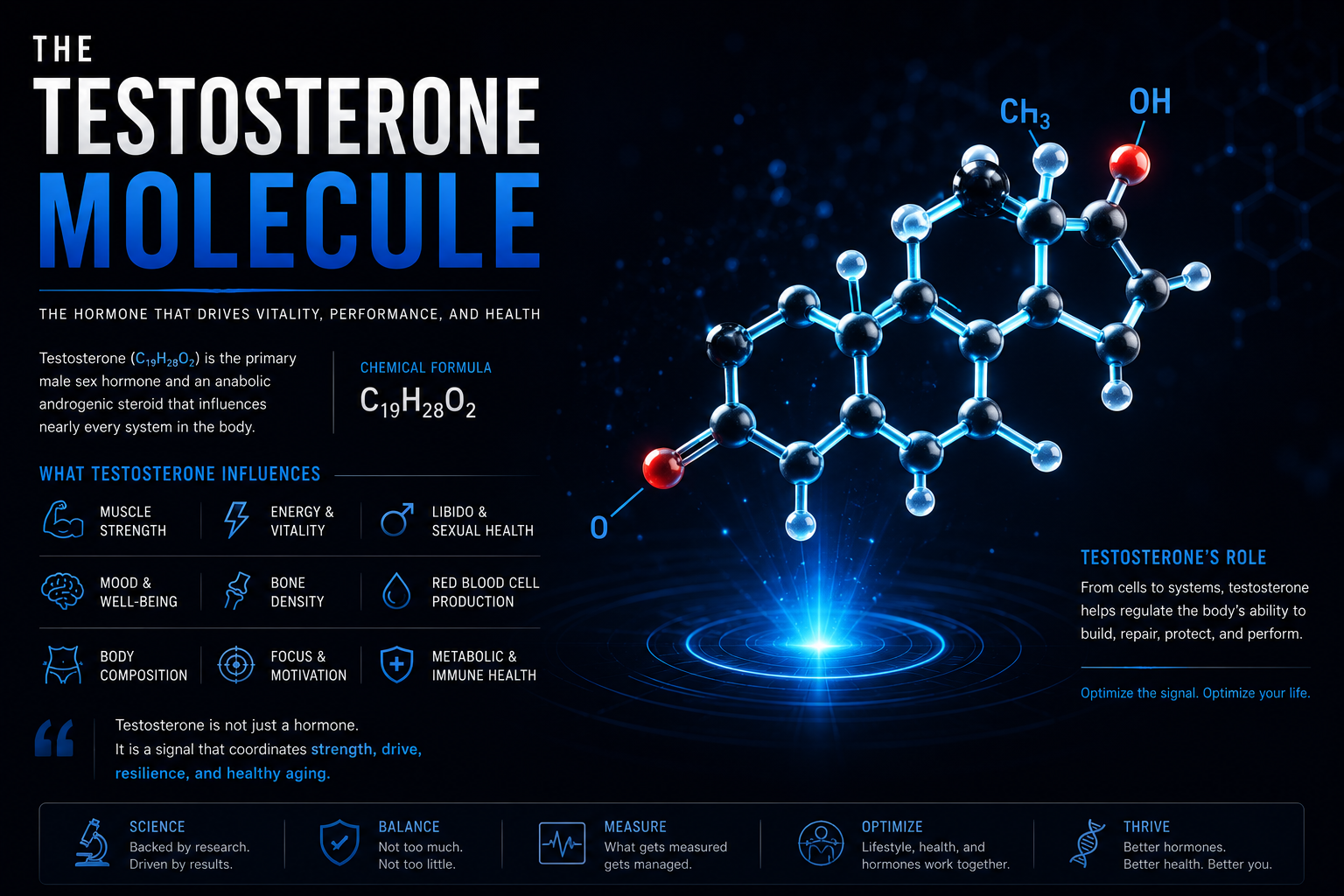
Low Testosterone
What low testosterone is, how it is diagnosed, what symptoms may suggest it, and why proper testing matters.
Testosterone Therapy
A balanced explanation of TRT, including when it may be appropriate, how it is monitored, and what readers should understand before starting.
Natural Testosterone Support
Sleep, exercise, nutrition, weight management, alcohol reduction, stress management, and medical optimization.
Testosterone And Erectile Dysfunction
Why erectile dysfunction is not always a testosterone problem and why vascular health, medication, anxiety, diabetes, blood pressure, and relationship factors matter.
Testosterone And Libido
How testosterone relates to desire, and why libido is influenced by hormones, sleep, mood, stress, relationship context, and overall health.
Testosterone And Muscle
How testosterone interacts with resistance training, protein intake, muscle protein synthesis, aging, sarcopenia, and physical performance.
Testosterone And Weight Loss
Why body fat, insulin resistance, inflammation, sleep apnea, and metabolic health can influence testosterone levels.
Testosterone And Aging
What changes with age, what is normal, what is not, and how men can think clearly about aging without falling into fear-based marketing.
Testosterone And Fertility
Why TRT can suppress sperm production and why men who still want children need careful medical discussion before treatment.
Coming Off Testosterone
Why some men choose to stop TRT, what withdrawal symptoms may occur, why medical supervision matters, and why fertility planning is important.
A Physician’s Approach To Testosterone
Dr. Edema’s approach is built around one principle:
Testosterone should be understood medically, biologically, and personally not marketed as a one-size-fits-all solution.
The right approach requires:
- Careful history
- Symptom assessment
- Medication review
- Sleep assessment
- Metabolic assessment
- Cardiovascular risk assessment
- Fertility discussion
- Appropriate laboratory testing
- Shared decision-making
- Ongoing monitoring
This is the opposite of casual hormone prescribing.
It is careful, responsible, and individualized.
About The Author
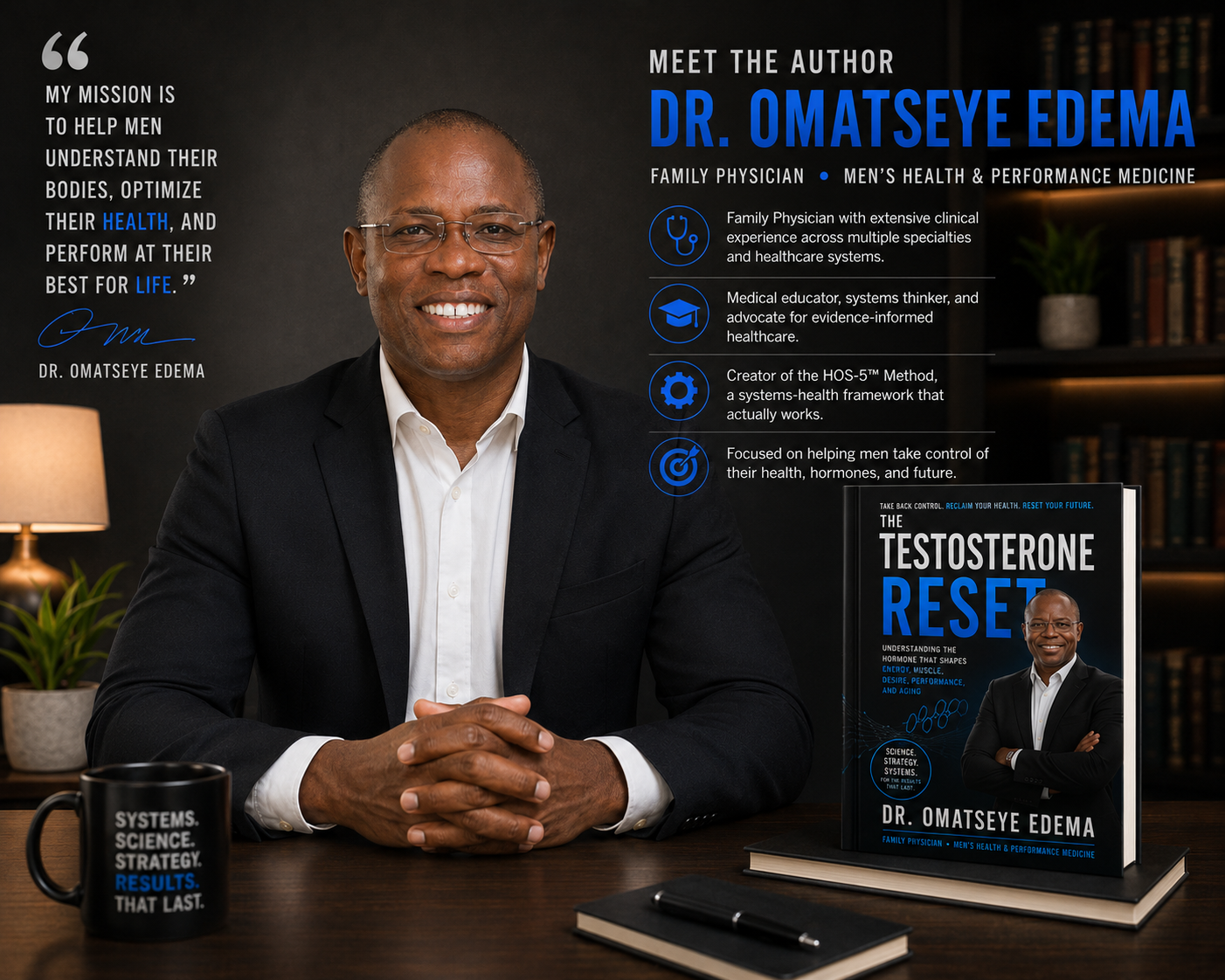
Dr. Omatseye Edema is a family physician with extensive postgraduate training and experience across general practice, emergency medicine, intensive care, surgery, obstetrics and gynaecology, and medical microbiology.
He holds an MBBS, MSc in Medical Microbiology from the University of Westminster, London, A diploma (DRCOG) from the Royal College of Obstetricians and Gynaecologists, MRCGP from the Royal College of General Practitioners, and CCFP from the College of Family Physicians of Canada.
His clinical interests include men’s health, testosterone deficiency, erectile dysfunction, premature ejaculation, weight management, metabolic health, preventive medicine, and performance medicine.
He is also the creator of the HOS-5™ Method, a systems-health framework focused on helping people better understand the biological systems that influence how they feel, function, recover, perform, and age.
Join The Testosterone Reset Book Launch List
The book is currently scheduled for release on August 31, 2026.
Join the launch list to receive:
- Book progress updates
- Preview chapter announcements
- Early educational content
- Testosterone myth-busting emails
- Practical men’s health guidance
- The upcoming Testosterone Reset Quick Start Guide
- Launch-week notification when the book becomes available
Frequently Asked Questions
1. Is The Testosterone Reset a book about TRT?
Yes, but it is not only about TRT.
The book discusses testosterone replacement therapy, but it also explains low testosterone, natural testosterone support, hormone testing, metabolic health, sleep, muscle, libido, erectile function, fertility, and aging.
The goal is to help readers understand testosterone in context.
2. Is this book only for men?
No. The book is written for men and women. Both sexes need to understand testosterone, may require testosterone treatment. It will also be useful for women who want to understand hormone health, partners of men experiencing symptoms, and clinicians who want a practical patient-friendly framework.
3. Does the book recommend testosterone therapy for everyone?
No.
The book does not promote testosterone therapy as a universal solution.
It explains when testosterone therapy may be appropriate, when it may not be appropriate, and why proper assessment and monitoring are essential.
4. What are the symptoms of low testosterone?
Possible symptoms include low libido, erectile difficulties, fatigue, reduced muscle mass, increased body fat, poor recovery, low mood, reduced motivation, and reduced morning erections.
However, these symptoms can also be caused by many other conditions, so testing and clinical assessment matter.
5. Can testosterone therapy improve energy?
It may improve energy in men with confirmed testosterone deficiency, but fatigue has many possible causes. Poor sleep, sleep apnea, depression, anemia, thyroid disease, medication effects, chronic stress, poor nutrition, and metabolic disease may all contribute.
6. Can testosterone therapy help erectile dysfunction?
Sometimes, but erectile dysfunction is often vascular, neurological, psychological, medication-related, metabolic, or relationship-related.
Testosterone may be part of the picture, but it is rarely the only factor.
7. Can testosterone help with weight loss?
Testosterone therapy is not a weight-loss drug.
However, testosterone deficiency can interact with body composition, muscle mass, insulin resistance, and energy. The book explains why metabolic health and body composition must be addressed together.
8. Can testosterone be increased naturally?
In some men, testosterone may improve with better sleep, weight loss, resistance training, reduced alcohol intake, improved nutrition, treatment of sleep apnea, stress reduction, and management of chronic disease.
The book explains what is realistic and what is hype.
9. What blood tests should men get before testosterone therapy?
Testing depends on the individual, but assessment may include total testosterone, free or calculated free testosterone, SHBG, LH, FSH, prolactin, CBC, PSA when appropriate, liver and kidney function, lipids, A1c or glucose, thyroid testing when indicated, and other tests based on symptoms and risk factors.
10. Is testosterone therapy safe?
Testosterone therapy may be safe and beneficial for appropriately selected and monitored patients, but it is not risk-free.
Potential concerns include fertility suppression, elevated red blood cell count, acne, worsening untreated sleep apnea, prostate monitoring issues, and blood pressure considerations.
11. Can TRT affect fertility?
Yes.
Testosterone therapy can suppress the body’s own testosterone production and reduce sperm production. Men who want future fertility should discuss this carefully with a qualified clinician before starting TRT.
12. Is testosterone therapy for life?
Not always.
Some men remain on long-term therapy. Others stop because of side effects, fertility goals, cost, inconvenience, inadequate response, or because the original diagnosis was uncertain.
Stopping testosterone should be done with medical guidance.
13. When will The Testosterone Reset be released?
The planned release date is August 31, 2026.
Join the launch list for updates.
Medical Disclaimer
This page and the upcoming book are for general educational purposes only and do not replace medical advice, diagnosis, or treatment.
Testosterone therapy, hormone testing, fertility planning, erectile dysfunction treatment, and related medical decisions should be discussed with a qualified healthcare professional who can assess your individual history, symptoms, risks, examination findings, and laboratory results.
If you are in Alberta and are seeking clinical care, you may consult an appropriately licensed Alberta healthcare professional.
Subscribe to Our Newsletter - The HOS-5™ Daily Upgrade
Free. Unsubscribe Anytime.
Stay Connected




Subscribe to Our Newsletter
Recent Articles


-
ADAM Questionnaire - The Low Testosterone Quiz
Jul 05, 26 01:31 AM
 Take the ADAM questionnaire, a 10-question screening tool for possible low testosterone symptoms. Learn what your result means and when to speak with a doctor about blood tests.
 -
The Testosterone Reset Book | Testosterone, TRT & Men’s Health
Jun 03, 26 06:13 PM
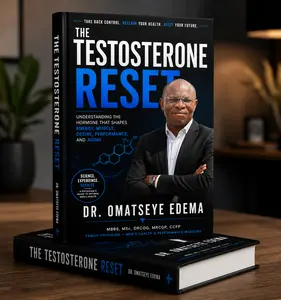 Join the launch list for The Testosterone Reset by Dr. Omatseye Edema, a physician’s guide to testosterone, TRT, energy, muscle, libido and aging.
 -
DrEdema.com | Home of the HOS-5™ Method | Hormones, Energy & Longevity
May 31, 26 12:54 AM
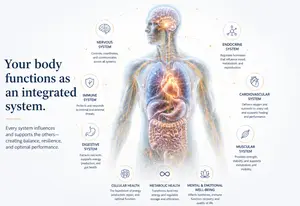 Home of Dr. Edema and the HOS-5™ Method—your doctor-designed blueprint to optimize hormones, energy, sleep & long-term health.
 -
HOS-5™ Explained | A Framework for Health, Vitality & Longevity
May 31, 26 12:44 AM
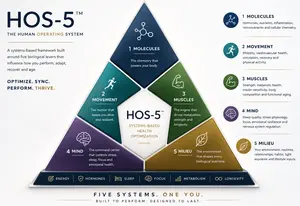 Discover HOS-5™, the physician-developed systems-health framework created by Dr. Omatseye Edema to help people better understand the biological systems influencing how they feel, function, recover, pe…