Sign up to our newsletter!
ADAM Questionnaire for Men
Your Simple Low Testosterone Quiz
Take the ADAM questionnaire, a 10-question screening tool for possible low testosterone symptoms. Learn what your result means and when to speak with a doctor about blood tests.
 The ADAM Questionnaire Workflow At A Glance.
Are you feeling tired even after sleeping?
Has your sex drive changed?
Are your erections less strong than they used to be?
Are you losing motivation, strength, focus, or enjoyment of life?
Many men assume these changes are “just aging.” Sometimes they are related to poor sleep, stress, weight gain, depression, medication, thyroid problems, relationship stress, alcohol, chronic illness, or poor recovery.
But sometimes, these symptoms may be a signal that your testosterone deserves proper medical assessment.
The ADAM Questionnaire, short for Androgen Deficiency in Aging Males, is a simple 10-question screening tool that can help identify men who may have symptoms associated with low testosterone.
Testing positive on the test in it self does not diagnose a low testosterone. It only helps to segment you into a high likelihood that you may have low testosterone and that further assessment and blood test is warranted.
Take the ADAM Low Testosterone Screening Quiz
Answer yes or no to each question.
- Do you have a decrease in libido or sex drive?
- Do you have a lack of energy?
- Do you have a decrease in strength and/or endurance?
- Have you lost height?
- Have you noticed a decreased enjoyment of life?
- Are you sad and/or grumpy?
- Are your erections less strong?
- Have you noticed a recent deterioration in your ability to play sports?
- Are you falling asleep after dinner?
- Has there been a recent deterioration in your work performance?
Let's do it in real time. Take the ADAM Questionnaire quiz here now:
Take the ADAM Low Testosterone Screening Quiz
Answer yes or no to each question. This quiz is a screening tool only and is not a medical diagnosis.
How Is the ADAM Questionnaire Scored?
The ADAM questionnaire is usually considered a positive screen if you answer:
- Yes to question 1, or
- Yes to question 7, or
- Yes to more than 3 questions overall.
A positive result does not mean you definitely have low testosterone.
It means your symptoms are worth discussing with a qualified clinician, especially if they are persistent, worsening, or affecting your quality of life, relationships, energy, mood, work, recovery, or sexual function.
What Does a Positive ADAM Result Mean?
A positive ADAM screen means you may have symptoms that can be seen in men with low testosterone.
However, these symptoms are not specific.
Fatigue, low motivation, weaker erections, low libido, weight gain, low mood, poor sleep, and reduced performance can come from many causes.
That is why the next step is not guessing.
The next step is measuring. Measuring your blood test. If you score "positive" to the ADAM Questionnaire, book an appointment with your doctor or with us (Alberta Residents only) for further testing.
Important: The ADAM Questionnaire Is Not a Diagnosis
Low testosterone should not be diagnosed by symptoms alone.
A proper diagnosis requires both:
- Symptoms or signs consistent with testosterone deficiency, and
- Repeated blood tests showing low testosterone.
This is why an online quiz can be useful as a starting point, but it should never be used as proof that you need testosterone therapy.
The goal is not to self-diagnose.
The goal is to recognize a pattern, speak with a qualified clinician, and investigate properly.
What Blood Tests Should You Discuss With Your Doctor?
If your symptoms are significant or your ADAM result is positive, your doctor may consider blood tests such as:
- Morning total testosterone
- Free testosterone or calculated bioavailable testosterone
- SHBG
- LH and FSH
- Prolactin
- Estradiol, when clinically relevant
- TSH and free T4
- CBC
- Ferritin
- HbA1c
- Fasting glucose and/or fasting insulin
- Lipid profile
- Liver and kidney function
- Vitamin D
- PSA, depending on age, risk factors, and treatment considerations
Testosterone is usually best checked in the morning, and low results are typically confirmed with repeat testing before making treatment decisions.
Why Symptoms Alone Are Not Enough
Low energy does not always mean low testosterone.
Low libido does not always mean low testosterone.
Erectile dysfunction does not always mean low testosterone.
These symptoms can overlap with:
- Poor sleep
- Sleep apnea
- Chronic stress
- Depression or anxiety
- Obesity or insulin resistance
- Thyroid disease
- Medication effects
- Alcohol use
- Overtraining or poor recovery
- Chronic inflammation
- Relationship or psychological factors
- Pituitary or testicular disorders
That is why a good testosterone assessment should look at the whole system, not just one lab number.
The HOS-5™ View: Your Symptoms Are Signals
In the HOS-5™ framework, symptoms are not treated as random isolated complaints.
They are signals from your Human Operating System.
Your testosterone level is influenced by more than your testes alone. It is affected by your sleep, weight, insulin sensitivity, stress load, training pattern, nutrition, alcohol intake, medications, recovery, inflammation, and circadian rhythm.
That is why low testosterone symptoms often show up across the five human outcomes:
- Feel Well: energy, mood, motivation, enjoyment of life
- Function Well: focus, work performance, daily capacity
- Perform Well: strength, endurance, libido, sexual function
- Recover Well: sleep, fatigue, post-exertional recovery
- Age Well: body composition, metabolic health, bone and muscle preservation
Your body is not a collection of isolated parts.
It is an operating system.
And when that system is under strain, testosterone may be one of the signals.
What Should You Do Next?
If your ADAM result is positive:
- Do not panic.
- Do not self-diagnose.
- Do not start testosterone without proper medical assessment.
- Speak with your doctor or urologist.
- Ask whether morning testosterone testing and related hormone/metabolic blood work are appropriate.
- Start looking at the systems that affect testosterone: sleep, weight, resistance training, nutrition, stress, medications, alcohol, and recovery.
Measure first.
Understand the pattern.
Then act.
Take the Next Step
If you want to understand the bigger picture behind energy, hormones, performance, recovery, and healthy aging, take the free HOS-5™ Assessment.
You can also join the waiting list for Dr. Edema’s upcoming book, The Testosterone Reset.
Because the goal is not just to chase testosterone.
The goal is to restore the systems that help you feel well, function well, perform well, recover well, and age well.
Frequently Asked Questions
What is the ADAM questionnaire?
The ADAM questionnaire is a 10-question screening tool used to identify symptoms that may be associated with androgen deficiency or low testosterone in men.
Does a positive ADAM result mean I have low testosterone?
No. A positive result is not a diagnosis. It means your symptoms may justify a conversation with a doctor about proper assessment and blood testing.
How is the ADAM questionnaire scored?
The screen is usually considered positive if you answer yes to question 1, yes to question 7, or yes to more than 3 questions overall.
What blood test checks testosterone?
The usual starting point is a morning total testosterone test. Your doctor may also consider free testosterone or calculated bioavailable testosterone, SHBG, LH, FSH, prolactin, thyroid testing, CBC, metabolic markers, and other tests depending on your history.
Can low testosterone be diagnosed from symptoms alone?
No. Low testosterone is diagnosed using both symptoms or signs and repeated blood tests showing low testosterone.
What symptoms can overlap with low testosterone?
Fatigue, low libido, weaker erections, low mood, reduced strength, poor recovery, weight gain, and reduced work performance can overlap with low testosterone, but they can also come from sleep problems, stress, depression, thyroid disease, medication effects, obesity, alcohol, and other medical conditions.
Subscribe to Our Newsletter - The HOS-5™ Daily Upgrade
Free. Unsubscribe Anytime.
Stay Connected




Subscribe to Our Newsletter
Recent Articles


-
ADAM Questionnaire - The Low Testosterone Quiz
Jul 05, 26 01:31 AM
 Take the ADAM questionnaire, a 10-question screening tool for possible low testosterone symptoms. Learn what your result means and when to speak with a doctor about blood tests.
 -
The Testosterone Reset Book | Testosterone, TRT & Men’s Health
Jun 03, 26 06:13 PM
 Join the launch list for The Testosterone Reset by Dr. Omatseye Edema, a physician’s guide to testosterone, TRT, energy, muscle, libido and aging.
 -
DrEdema.com | Home of the HOS-5™ Method | Hormones, Energy & Longevity
May 31, 26 12:54 AM
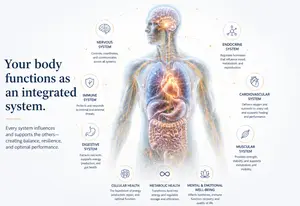 Home of Dr. Edema and the HOS-5™ Method—your doctor-designed blueprint to optimize hormones, energy, sleep & long-term health.
 -
HOS-5™ Explained | A Framework for Health, Vitality & Longevity
May 31, 26 12:44 AM
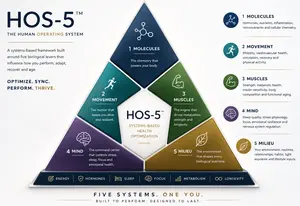 Discover HOS-5™, the physician-developed systems-health framework created by Dr. Omatseye Edema to help people better understand the biological systems influencing how they feel, function, recover, pe…